Architecture is often explained in terms that arrive too late.
Function. Structure. Efficiency. Cost.
All of these matter. None of them answers the question.
What is architecture for?
—
A building can stand. It can perform. It can meet every regulation written for it.
And still fail the person who lives inside it.
Because architecture is not tested when it is finished. It is tested in the quiet, repeated moments of daily life.
At dawn, when the body has not yet decided how the day will feel. At night, when the room either allows rest or resists it. In winter, when warmth is either held gently or lost without resistance. In summer, when the air either moves or becomes something to endure.
Architecture reveals itself slowly. Not in the first impression — but in the hundredth day.
—
There is a room in a house somewhere — you may have been in one like it — where nothing is wrong and yet you do not want to stay.
The dimensions are adequate. The light is sufficient. The temperature is managed.
But the room does not know you are there.
It would look the same, empty, as it looks with you in it.
Now think of another room. Perhaps smaller. Perhaps simpler in every material sense.
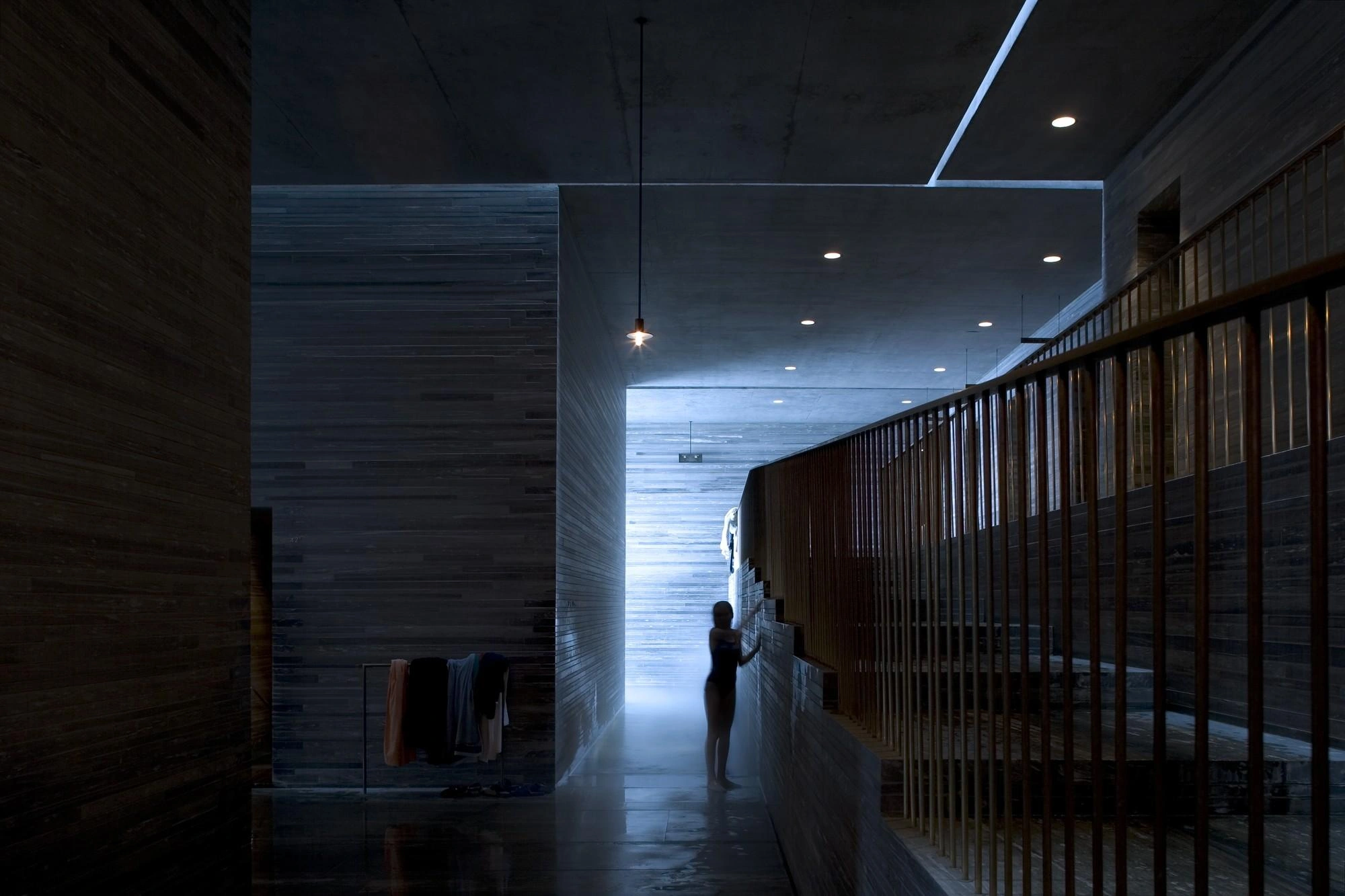
The light enters at a particular angle at a particular hour.
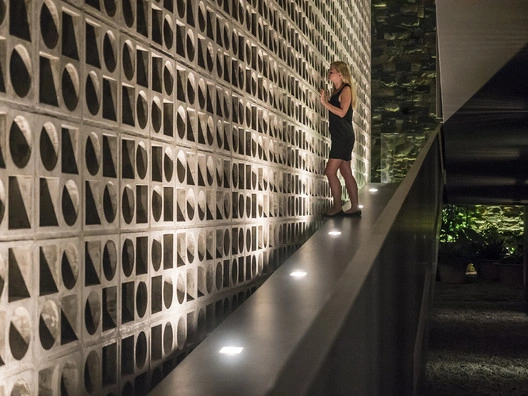
The floor is warm before anything has been turned on.
The ceiling holds sound the way a cupped hand holds water.
You do not want to leave.
The difference between those two rooms is not budget. Not size. Not style.
It is intention.
—
We have been taught to think that architecture serves need.
Shelter from rain. Protection from heat. A place to sleep, to cook, to gather.
But need is the lowest threshold.
A tent satisfies need. A warehouse satisfies need.
Architecture begins where need is already met.
—
What architecture is for is harder to describe, because it belongs to the body before it belongs to language.
It is, for the moment, a room feels calm without telling you why. For the way light arrives at a wall and settles there as if it were expected. For the sound of your own movement becomes softer as you enter. For the instinct to sit, or to pause, or to stay longer than you planned.
It is for alignment.
Not visual alignment, but a deeper one.
Between the body and its surroundings. Between what you feel and what the space allows. Between the pace of your life and the pace of the room.
—
A well-designed building does not impose itself.
It does not ask to be admired. It does not demand attention.
It allows the person inside it to become more present.
Breathing slows. Movement becomes deliberate. Sound is held, not scattered. Light is received, not endured.
This is not a luxury. It is precision.
—
There is an ethical dimension to this.
Every wall placed without care, every opening made without thought, every material chosen for appearance rather than experience — all of these are decisions about how someone else will live.
A room that overheats in summer is not an inconvenience. It is a daily discomfort repeated without choice.
A space without quiet is not lively. It is exhausting.
A house without light is not efficient. It is incomplete.
Architecture, whether acknowledged or not, shapes behaviour, mood, attention and wellbeing.
It is not neutral.
—
What makes this difficult is that the success of architecture is often invisible.
You do not notice a room that is correctly proportioned. You do not think about air that moves naturally. You do not analyse why a space feels right.
You simply remain in it.
And that is the measure.
—
So what is architecture for?
Not for the image. Not for the drawing. Not for the approval.
Architecture is for the person who wakes up inside it, moves through it, rests within it, and returns to it every day.
It is for the life that unfolds quietly between its walls.
—
Everything else — structure, regulation, construction, detail — exists to support this.
When these become the goal, architecture disappears. When they remain in service, architecture emerges.
—
A building is complete when it stands.
Architecture is complete when it is lived.
And even then, it continues.
Because what architecture is for is not a single moment of success.
It is the accumulation of small, unnoticed experiences—day after day—in which the body feels, without effort,
that it belongs.
Discover the Taste of Architecture.
— Shiraz Atelier