DUAL OCCUPANCY DESIGN
DUAL OCCUPANCY BUILDING DESIGN · CANBERRA ACT
Dual Occupancy Design in Canberra

Dual occupancy is one of the most effective ways to maximise the value of a single block in Canberra — whether your goal is rental income, multigenerational living, or building a second dwelling to sell.
We design dual occupancy projects across the ACT with a focus on smart site planning, practical separation, ACT planning compliance and buildable documentation. Getting the site planning right from the outset is what separates a smooth dual occupancy approval from a difficult one.
TYPES OF DUAL OCCUPANCY
Attached or Detached — We Design Both
Attached Dual Occupancy
Two dwellings sharing a common wall are often the most site-efficient solution for narrower blocks. Careful planning of shared boundary conditions, acoustic separation, and independent entries is critical.
Detached Dual Occupancy
Two separate structures on a single title—typically a new dwelling constructed behind or beside an existing home. Requires careful management of setbacks, access, services, and privacy.
WHAT WE PROVIDE
.
Design & Planning
Site feasibility & yield assessment
Block subdivision analysis (if applicable)
Concept design for both dwellings
Efficient site layout & access planning
ACT planning controls review
Approval documentation preparation
Technical & Documentation
Floor plan optimisation for both units
Independent service planning
Privacy & acoustic separation strategy
Detailed construction documentation
Consultant coordination
Construction phase support
ACT PLANNING CONSIDERATIONS
Understanding Dual Occupancy in the ACT
Dual occupancy in the ACT is governed by the ACT Planning Act and the relevant Territory Plan controls for your block's zone. Not every block is suitable — minimum site areas, frontage requirements, setbacks, and RZ zoning all affect what is permissible.
We review your specific site conditions and applicable planning controls at the feasibility stage—before any design work is committed to—so you have a clear understanding of what is achievable and what documentation will be required.
Early planning review is the single most important thing a dual occupancy client can do before engaging a designer for full design services.
Custom Home Projects
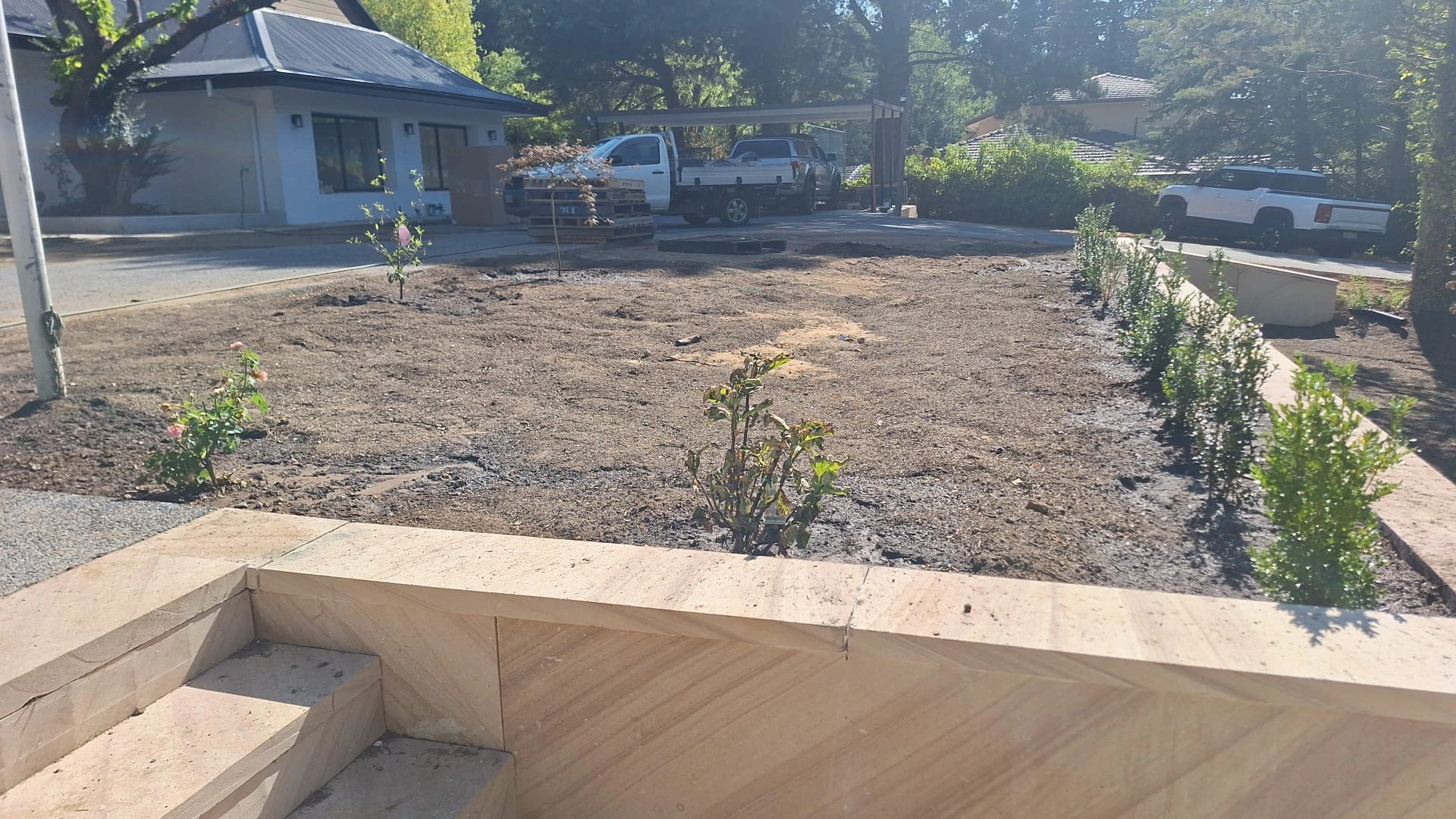
Whitlam Custom Home
site-responsive planning and efficient family zoning.

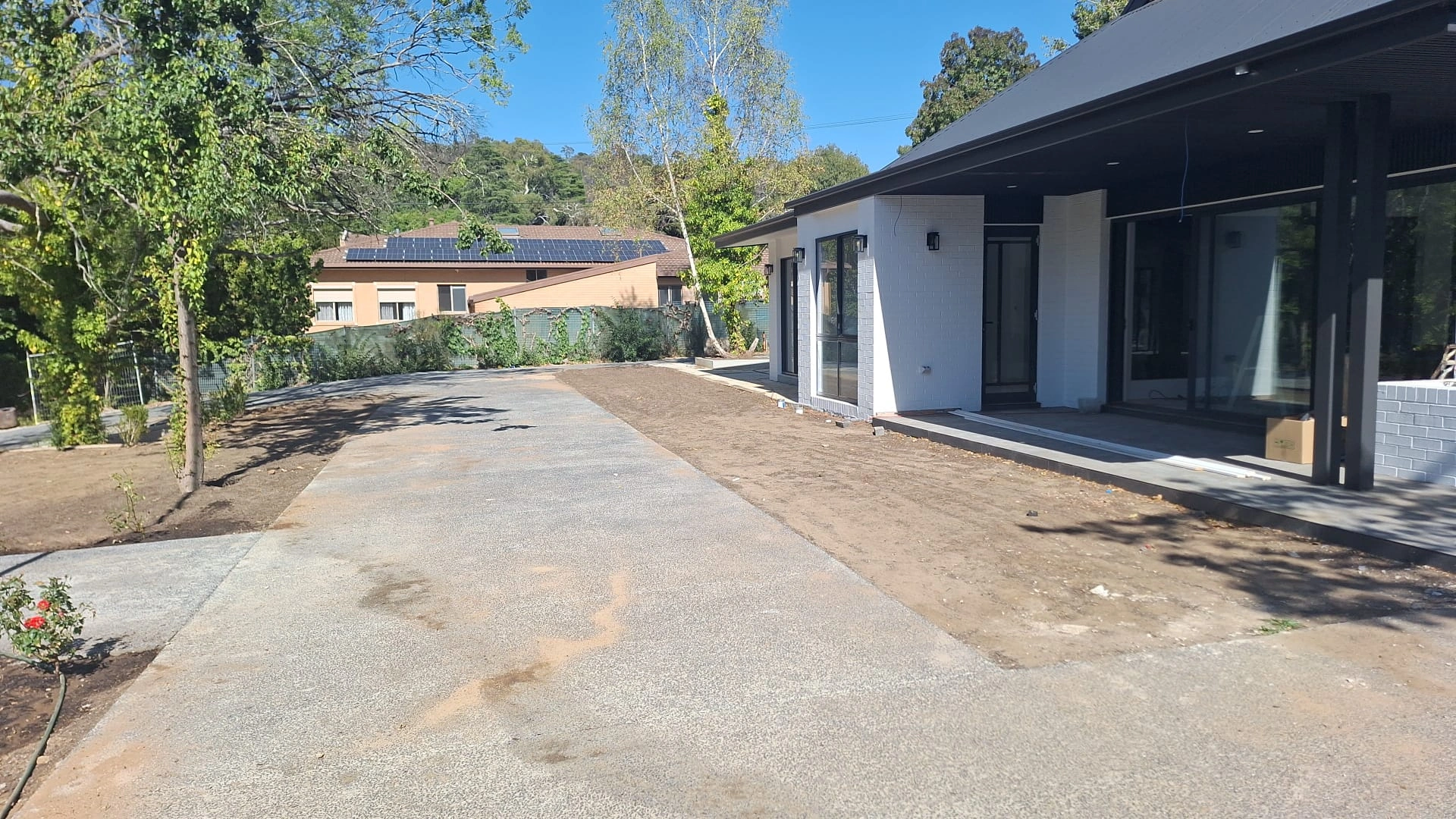
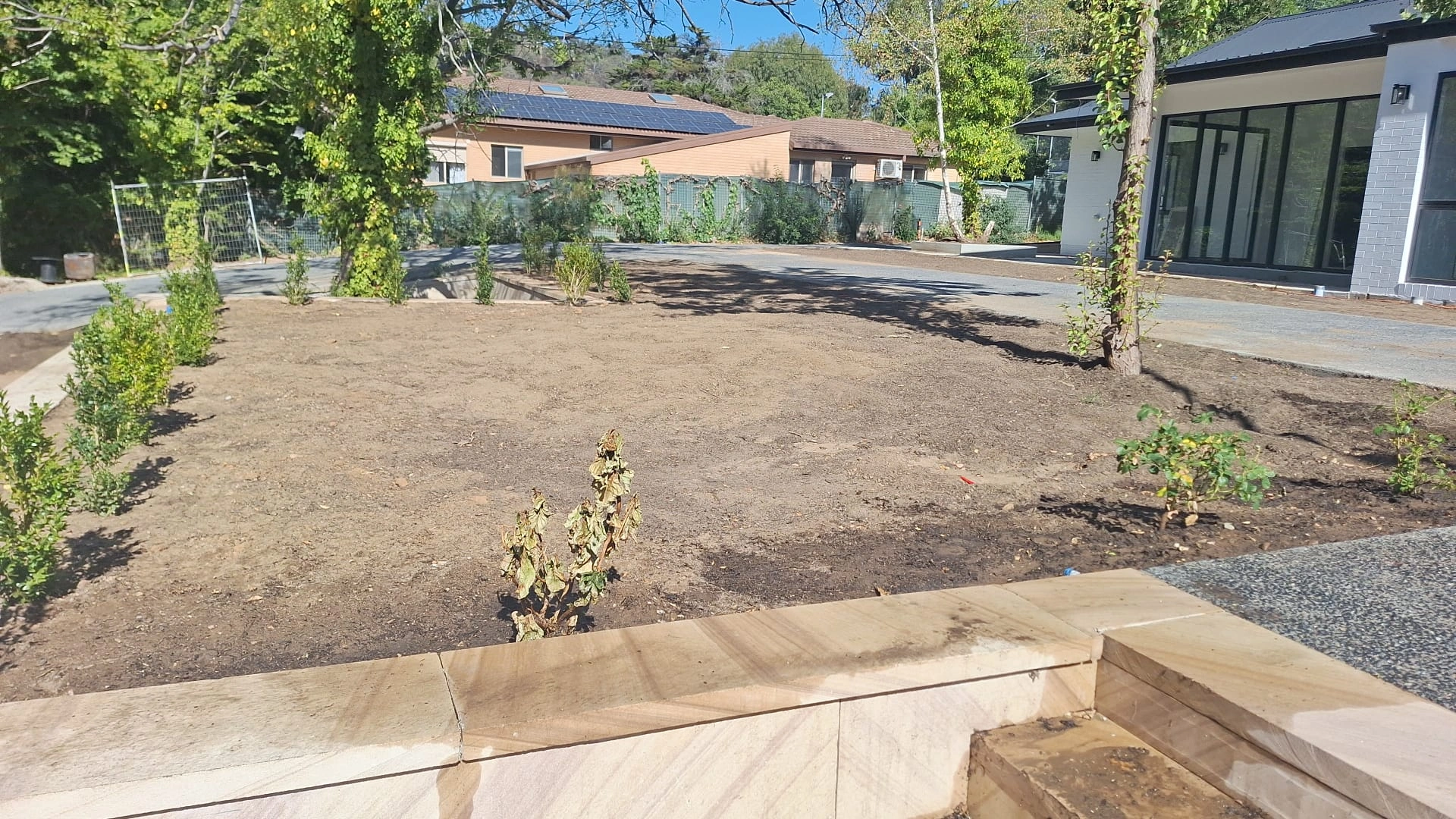

Red Hill Residence
This is a description, explain what this gallery/project is about.
SUBURBS ACROSS CANBERRA
DUAL OCCUPANCY PROJECTS ACROSS THE ACT
We've Worked Across Canberra's Residential Zones
Dual occupancy is most common in Canberra's RZ2 and RZ3 zoned suburbs. We have experience with dual occupancy planning across a wide range of Canberra's established and developing areas.
Kaleen · Lyneham · Gungahlin · Tuggeranong · Watson · Narrabundah · Weston · Deakin · Denman · Throsby · Taylor · Whitlam
Frequently Asked Questions
Find answers to common questions about building, renovating, and designing your perfect home. We’re here to help every step of the way.
The main factors are block size, frontage width, applicable planning zone (RZ2 or RZ3 in most cases) and whether the block can achieve the required setbacks and access for two dwellings. We can review these at a feasibility stage before committing to full design.
Not necessarily. Dual occupancy can be built on a single title without subdivision. If you wish to sell the second dwelling separately, a unit title or community title arrangement may be required — we can advise on this in the context of your project.
Yes. Many dual occupancy projects involve constructing a new dwelling on a block with an existing home. Site planning — particularly access, privacy and services — requires careful thought in these situations.
In the ACT context, 'duplex' and 'dual occupancy' are often used interchangeably to describe two dwellings on one title. The specific definition can vary depending on the planning instrument — we can clarify what applies to your site.
Design and documentation typically take three to six months. Approval timeframes depend on the assessment pathway and complexity of your specific site. We provide a clear indicative timeline at the start of every project.